Efficient Generator Installation Process for Your Home
- Aviv Ben Shabat
- Jun 10
- 3 min read

When the power goes out, having a reliable generator can make all the difference. Installing a generator at home ensures you stay comfortable and safe during outages. I want to share practical steps and tips for an efficient generator installation process. This guide will help you understand what to expect and how to prepare.
Understanding the Generator Installation Process
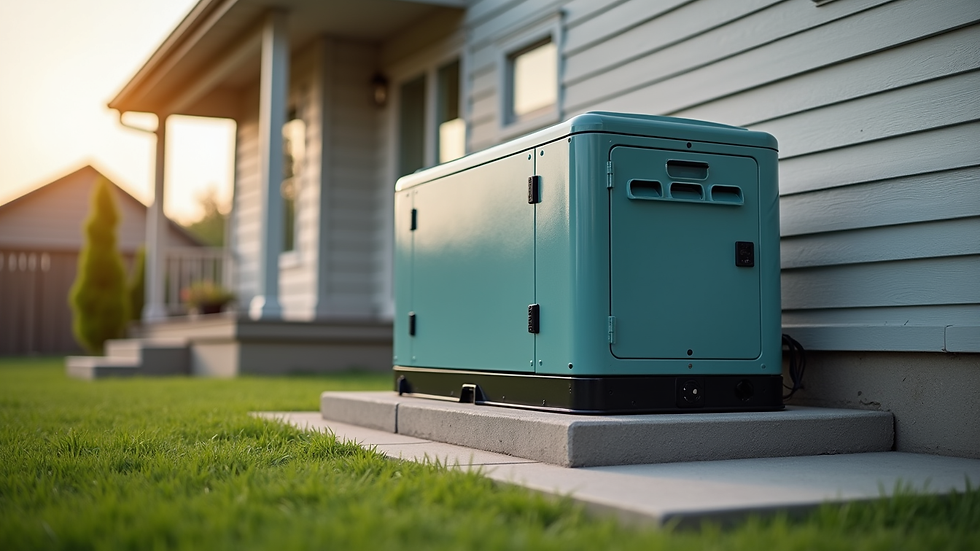
Installing a generator involves several key steps. First, you need to choose the right type and size of generator for your home. This depends on your power needs and budget. Next, you select a suitable location for the generator. It should be outdoors, away from windows and vents, and on a stable surface.
The installation process includes:
Preparing the site by clearing and leveling the ground.
Installing a concrete pad or a generator stand.
Connecting the generator to your home’s electrical system through a transfer switch.
Testing the system to ensure it works properly.
Each step requires careful attention to safety and local codes. Hiring professionals for the job is highly recommended. They have the tools and knowledge to complete the installation safely and efficiently.
Key Considerations During the Generator Installation Process
Several factors affect the success of your generator installation. Here are the most important ones:
Generator Size: Calculate your power needs by listing essential appliances and their wattage. Choose a generator that can handle the total load with some extra capacity.
Fuel Type: Generators can run on natural gas, propane, or diesel. Natural gas is often preferred for home use because it connects to existing lines and requires less maintenance.
Location: Place the generator where it won’t disturb neighbors or violate noise regulations. It should also be accessible for maintenance.
Permits and Codes: Check local building codes and obtain necessary permits before installation. This ensures your setup is legal and safe.
Transfer Switch: This device safely switches your home’s power source from the grid to the generator during an outage. It prevents backfeeding, which can be dangerous.
By considering these points, you can avoid common problems and ensure your generator works when you need it most.
How much does it usually cost to install a generator?
The cost of installing a home generator varies widely. It depends on the generator size, fuel type, and complexity of the installation. On average, you can expect to pay between $3,000 and $7,000 for a basic setup. Larger systems with automatic transfer switches and professional installation can cost $10,000 or more.
Here is a rough breakdown:
Generator unit: $1,500 to $5,000
Transfer switch: $500 to $1,500
Installation labor: $1,000 to $3,000
Permits and inspections: $100 to $500
Keep in mind that investing in a quality installation can save money in the long run by preventing damage and ensuring reliability.
Why Professional Generator Installation Services Matter
I strongly recommend using professional generator installation services for your home. Licensed electricians understand the technical and safety requirements. They handle permits, inspections, and code compliance. This reduces risks and gives you peace of mind.
Professionals also offer:
Proper sizing advice based on your home’s needs.
Safe and neat wiring and connections.
Testing and demonstration of the system.
Maintenance tips and service plans.
Trying to install a generator yourself can lead to costly mistakes or unsafe conditions. A professional job ensures your generator is ready to protect your home during power outages.

Tips for Maintaining Your Home Generator
Once your generator is installed, regular maintenance is key to keeping it reliable. Here are some simple tips:
Run the generator monthly for about 15 minutes to keep the engine lubricated.
Check oil and coolant levels regularly and change oil as recommended.
Inspect the battery and clean terminals to ensure good connections.
Keep the area around the generator clear of debris and vegetation.
Schedule annual professional inspections to catch any issues early.
Following these steps will extend the life of your generator and ensure it works when you need it.
Planning for Future Power Needs
When installing a generator, think about your future power needs. You might add new appliances or expand your home. Choosing a generator with some extra capacity now can save you from costly upgrades later.
Also, consider integrating your generator with smart home systems or backup power solutions. This can improve convenience and energy management.
Efficient generator installation is a smart investment for any home. It provides security and comfort during outages. By understanding the process, costs, and maintenance, you can make informed decisions. Remember to rely on professional help to ensure a safe and effective setup. This approach will keep your home powered and protected for years to come.


Comments